Promoted by Sumitha Nair
"Hello all! I am very passionate about learning and spreading rich Hindu culture and daily traditions. Here to share devotional thoughts, festivals, and spiritual wisdom of Sanatana Dharma. Let's unite, support each other, and spread peace and positivity everywhere!"
View Full Profile →Starting Your Sanatana Dharma Practice: A Step-by-Step Guide for Beginners
When you decide to Start Practicing Hinduism, embracing Sanatana Dharma (Hinduism) becomes a personal, evolving journey rather than a rigid set of rules. For beginners and diaspora families looking to reconnect with their roots, establishing daily practices at home and understanding key traditions provides a grounding foundation.
1. Setting Up a Simple, Clean Prayer Space at Home (Mandir)
Creating a dedicated space for reflection, prayer, and meditation brings peaceful energy into your living environment. Your home altar does not need to be elaborate; clarity and purity of intention matter most.
Location & Orientation
- Direction: Ideally, place your home shrine facing East or North. Facing East while praying aligns with the rising sun, symbolizing knowledge and personal growth.
- Space: Choose a quiet, clean spot away from heavy foot traffic, footwear storage, or bathrooms.
Core Elements to Include
- Icons or Deities (Murtis/Photos): Select images or small murtis of deities that resonate with you—such as Lord Ganesha, Goddess Lakshmi, Lord Shiva, or Lord Vishnu. Keep the arrangement minimal to maintain focus.
- Clean Cloth: Place a clean red, yellow, or white cloth beneath the statues or framed photos.
- Lighting Elements: A small brass or clay lamp (Diya) and an incense holder (Agarbatti stand).
- Offering Vessels: Keep a dedicated brass or copper vessel for fresh water and a small plate for offerings like fresh flowers, fruits, or sweets (Prasad).
Maintenance Tip: Clean the altar area regularly. Treat the space with reverence by removing footwear before approaching your shrine.
2. Simple Daily Habits for Mindful Living
Integrating spiritual practice into everyday life relies on small, consistent routines (Nitya Karma) rather than complex ceremonies.
A. Morning Prayers & Intentions
Start your day by acknowledging the divine presence before checking mobile devices or starting work. Pause for a moment of quiet focus upon waking.
Meaning: Recognizing the divine presence of prosperity, knowledge, and protection in your daily actions upon looking at your palms each morning.
B. Lighting the Lamp (Deepa Prajvalan)
Light a ghee or sesame oil lamp at your home shrine every morning or evening. Fire represents purity and knowledge dispelling the darkness of ignorance. Learn more about the spiritual significance of lighting a Diya.
C. Cultivating Gratitude (Prasad & Meals)
Offer a small portion of your food or fresh fruit to the divine before meals, expressing gratitude for sustenance. Practice brief moments of mindfulness throughout your day to cultivate emotional balance.
3. Visiting a Temple: Etiquette, Expectations, and Respect
Visiting a temple (Mandir) for the first time can feel overwhelming given the vibrant sights, sounds, and rituals. Following basic temple etiquette ensures a respectful and spiritually uplifting experience.
- Dress Modestly: Wear comfortable, modest attire covering shoulders and knees. Read our full guide on what to wear when visiting a Hindu temple.
- Footwear Removal: Always remove your shoes and socks before stepping into the temple area. Dedicated footwear holding counters are usually provided.
- Greeting the Deities: Approach the central sanctum (Garbhagriha) quietly. Join your palms in the Namaste gesture (Anjali Mudra) as a sign of humility.
- Clockwise Circumambulation (Pradakshina): Walk around the central shrine in a clockwise direction, keeping the shrine to your right. This symbolizes placing the Divine at the center of life.
- Receiving Blessings: Pass your hands lightly over the flame offered during Aarti and touch them gently to your forehead or eyes. Accept sacred food offerings (Prasad) using your right hand.
4. Major Life Milestones & Rites of Passage (Samskaras)
In Sanatana Dharma, life is viewed as a sacred journey marked by transitional rites of passage known as Samskaras. These ceremonies purify the mind and body while strengthening community and family ties.
Naming Ceremony (Namakarana)
Typically performed on the 11th or 12th day after birth. The newborn is formally welcomed into the family. The parents whisper the chosen auspicious name into the child's right ear.
Sacred Thread (Upanayana)
Marks the transition into formal education and self-discipline. The child receives a sacred thread (Yajnopavita) and is initiated into chanting the Gayatri Mantra.
Marriage (Vivaha)
A sacred union between two individuals and families. The central ritual is the Saptapadi (Seven Steps around the sacred fire), representing seven vows for lifelong companionship.
Funeral Rites (Antyeshti)
The final rite honoring the body's return to the five elements (Earth, Water, Fire, Air, Space), acknowledging the eternal journey of the soul (Atman).
🕉️ Conclusion: How to Start Practicing Hinduism Today
In summary, taking the first steps to Start Practicing Hinduism opens a lifelong journey of inner peace, self-discovery, and spiritual growth. As you Start Practicing Hinduism in your daily routine, remember that consistency and pure intention matter far more than complex rituals. Anyone who chooses to Start Practicing Hinduism at home can establish a serene environment through a modest shrine and quiet prayer. Truly, deciding to Start Practicing Hinduism connects you with timeless cosmic principles. Through small daily commitments to Start Practicing Hinduism, spiritual mindfulness blossoms organically.
From lighting a morning oil lamp to visiting local temples, the decision to Start Practicing Hinduism enriches every aspect of life. When beginners Start Practicing Hinduism with an open heart, understanding basic etiquette ensures a respectful and uplifting experience. Each custom learned as you Start Practicing Hinduism strengthens your personal bond with Sanatana Dharma. Thus, choosing to Start Practicing Hinduism brings lasting emotional resilience. Indeed, learning how to Start Practicing Hinduism reveals universal truths.
- ✦ Setting up a clean home altar helps newcomers Start Practicing Hinduism with daily focus and reverence.
- ✦ Simple morning prayers offer an accessible path when you Start Practicing Hinduism amidst modern schedules.
- ✦ Observing temple traditions builds cultural confidence as families Start Practicing Hinduism together.
- ✦ Understanding sacred rites of passage inspires seekers who Start Practicing Hinduism to honor life milestones.
Whether establishing a quiet space for meditation or learning sacred mantras, every effort to Start Practicing Hinduism grounds your spirit. Continuing to Start Practicing Hinduism with patience allows ancient Vedic wisdom to guide your everyday actions.
We hope this beginner guide helps you Start Practicing Hinduism with confidence and joy. May your sincere quest to Start Practicing Hinduism bring clarity, divine grace, and harmony to your home as you Start Practicing Hinduism in your daily life.
Promote Hinduism
Support and spread the eternal wisdom of Sanatana Dharma across the globe.
Learn MoreSanatan Ebooks
Explore our sacred collection of scriptures, spiritual guides, and digital books.
Browse EbooksSponsor Sacred Knowledge
Help preserve and spread timeless spiritual teachings to seekers worldwide.
Sponsor Now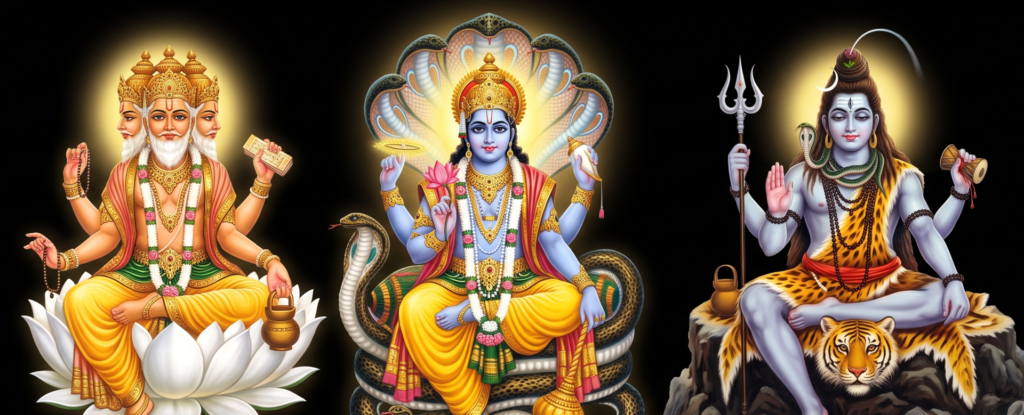
Topics Covered
Toggle